Quick Guide to Installing Artificial Grass
Artificial grass has come a long way from the stiff, plastic looking turf many people remember. Today’s artificial grass looks natural, drains efficiently, and stands up to Canadian weather with ease. Whether you are planning a backyard upgrade, a pet friendly space, or a low maintenance side yard, understanding how to install artificial grass is the first step to getting it right.
This guide walks through how to install artificial grass from start to finish, including how installation differs on soil, dirt, and concrete. We will also cover when a DIY project makes sense and when professional installation is the better option. Along the way, you will see how Durham Artificial Grass supports both full service installations and hands on DIY projects with guidance and product supply.
What to Know Before Installing Artificial Grass
Artificial grass installation is not complicated, but it is detailed. The success of the project depends far more on preparation than most people expect. A properly built base and good drainage will determine how the turf looks and performs years down the road.
Before starting, it helps to understand a few key points:
Artificial grass does not hide poor base work
Drainage planning is critical, especially for pet areas
Turf selection should match how the space will be used
Clean edges and seams make the difference between average and professional results
Durham Artificial Grass installs turf professionally across residential and commercial projects, but also works closely with homeowners who want to tackle their own installations with the right support.
How to Install Artificial Grass Step-by-Step
#1 - Site Preparation and Excavation
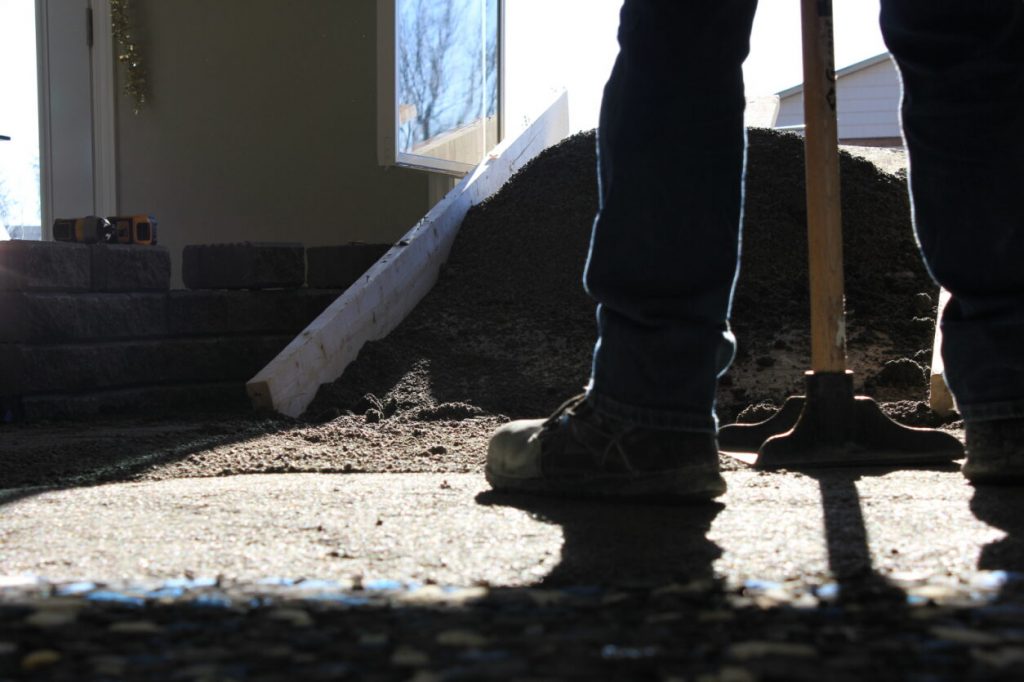
The first step is clearing the area. Existing grass, weeds, roots, and debris must be removed. This usually means excavating several inches below the final grade to make room for the base.
The ground should be shaped with a slight slope away from buildings to help water drain naturally. Any soft or uneven spots need to be corrected now, not later. This stage may not be exciting, but it is the most important part of the entire project.
#2 - Building a Solid Base Layer
Once excavation is complete, a compactable base material such as crushed stone or limestone is installed. The base is spread evenly and compacted in layers to create a firm, stable surface.
A properly compacted base prevents shifting, sinking, and uneven spots over time. This is also where many DIY projects struggle, which is why Durham Artificial Grass offers dedicated DIY turf project support for homeowners who want guidance through this stage.
#3 - Installing a Weed Barrier
A weed barrier fabric is installed over the compacted base to help prevent weeds from growing up through the artificial grass while still allowing water to drain properly. Although turf blocks sunlight, some weeds can push through if a barrier is not used.
The fabric should be laid flat, slightly overlapped at seams, and secured tightly with no wrinkles or gaps. This helps maintain a smooth surface and supports long term performance.
#4 - Laying the Artificial Grass
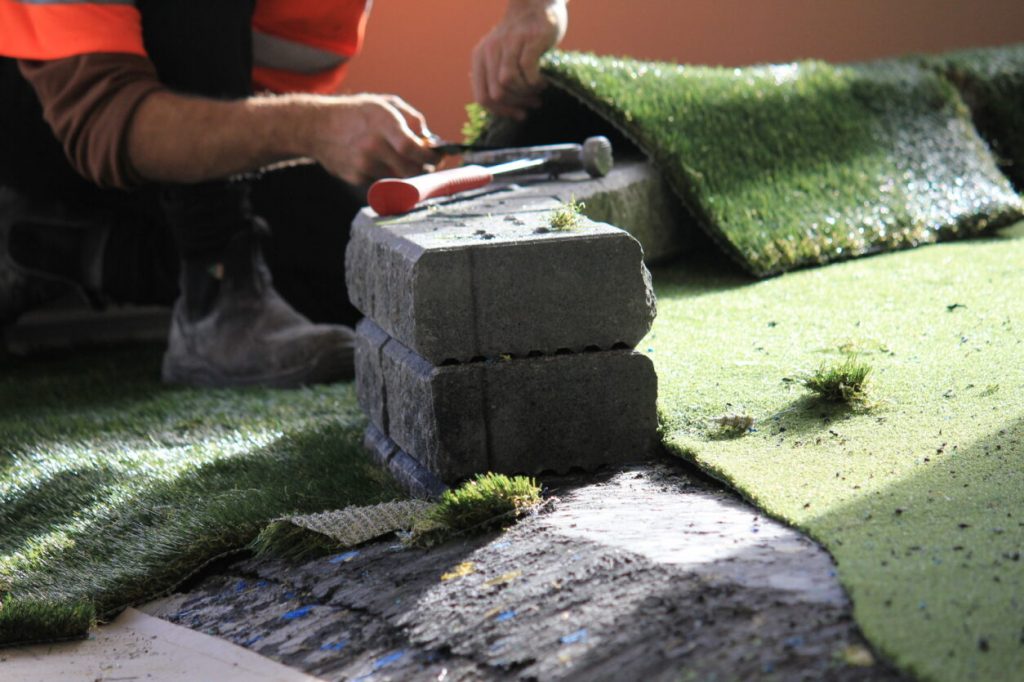
The turf is rolled out and positioned to fit the space. All pieces should face the same direction to keep the finished lawn looking consistent. Careful trimming around edges, curves, and obstacles ensures a clean, natural appearance. Taking your time here pays off visually.
#5 - Securing the Turf and Seams
Once positioned, the turf is secured using landscape spikes or adhesive depending on the surface. Seams are joined using seam tape and adhesive to create strong, nearly invisible connections. Well done seams are especially important in high traffic areas and pet zones.
#6 - Infill and Final Brushing
Infill is spread evenly across the turf and brushed into the fibres. This step helps support the blades, improves durability, and enhances drainage. A final brushing lifts the blades and gives the turf a full, vibrant and natural look.
How to Install Artificial Grass on Soil or Dirt?
Artificial grass should never be installed directly on soil or dirt, and this is not something Durham Artificial Grass does. Installing turf over soil can cause the backing to deteriorate more quickly and allow mud to rise up from beneath the turf, leading to drainage issues and reduced performance. To prevent this, proper ground preparation is essential.
Key installation considerations include:
Removing 4 to 6 inches of grass and soil
Installing geotextile fabric or weed barrier
Adding a compacted gravel base before installing the turf
Our installation team at Durham Artificial Grass follows proper excavation and base building practices on every project. This supports long term turf performance, prevents mud from working up into the surface, and maintains consistent drainage over time. For DIY projects, we also offer guidance on excavation depth, geotextile fabric placement, and gravel base construction to help homeowners achieve durable, long lasting results.
How to Install Artificial Turf Grass for Pet Areas?
Pet friendly turf installations come with a few extra considerations. Drainage is especially important, as is choosing turf designed for high traffic, fast drainage and easy cleaning.
For pet area turf installations:
Select turf built for drainage and durability
Ensure urine can pass through the base easily
Plan for occasional rinsing and maintenance
Our team at Durham Artificial Grass installs pet turf professionally and also supports Do-It-Yourself pet turf projects by guiding homeowners to choose the right products, quantities and supplies.
How to Install Artificial Grass on Concrete?
Installing artificial grass on concrete surfaces such as patio areas, balconies and indoor spaces is a practical option, but it requires proper surface preparation and drainage planning. Because concrete does not absorb water, extra care is needed to prevent pooling and ensure long term performance.
Key considerations include:
Ensuring the concrete surface is clean, level, and free of cracks or debris
Addressing drainage or moisture management to prevent water buildup
Using outdoor or indoor rated adhesives to securely bond the turf
Durham Artificial Grass installs artificial turf on concrete and indoor surfaces regularly and also supports DIY installers by recommending the right turf products, adhesives, and installation techniques for these applications.
DIY vs Professional Artificial Grass Installation
One of the most common questions homeowners ask is whether to install artificial grass themselves or hire professionals. The right choice depends on several factors, including the size and shape of the space, site conditions, and how refined you want the finished result to be. Smaller, straightforward areas with good access are often well suited for DIY projects, while larger spaces, pet areas, and complex layouts typically benefit from professional experience.
DIY installations can be rewarding and cost effective when done correctly, but they require careful planning, proper tools, and attention to detail, especially when it comes to base preparation and drainage. Professional installation offers the advantage of experience, efficiency, and a polished finish, helping ensure long term performance and fewer issues down the road.
When DIY Makes Sense For Your Turf Installation Project.
DIY installation can work well for smaller turf projects. With proper planning, the right tools, and guidance, many homeowners can achieve solid, long lasting results.
DIY Benefits Include:
Lower overall project cost
No labour scheduling required
Ideal for small, straightforward spaces
Greater understanding of how your turf system is created
Durham Artificial Grass supports DIY turf installation projects with planning advice, turf product selection, and all your material supplies.
When Professional Installation Is the Better Choice.
Professional turf installation is often the best option for larger areas, pet zones, complex layouts, or commercial spaces as they have more advantages.
Pro Installation Benefits Include:
Built right from the ground up
A cleaner, more natural finished look
Faster installation with fewer mistakes
Added peace of mind with warranty protection
Durham Artificial Grass provides start to finish service, including design, installation, and the supply of high quality turf and installation materials.
Common Mistakes to Avoid
Some of the most common artificial grass installation mistakes happen during preparation and finishing. Skipping proper base compaction can lead to uneven surfaces, sinking, and movement over time. Poor drainage planning may result in water pooling, slow drying, or odour issues, especially in pet areas.
Visible seams are another frequent issue and usually come from misaligned turf or rushed joining. Choosing the wrong turf for the application can also cause problems, such as using decorative turf in high traffic or pet areas where durability and drainage are critical. Addressing these details from the start helps ensure better performance, a cleaner appearance, and fewer repairs down the road, saving time, money, and frustration in the long run.
Getting Help With Your Artificial Grass Installation
Artificial grass is an investment in your outdoor space. Whether you want a fully installed solution or are planning a DIY project, expert guidance makes a noticeable difference. Durham Artificial Grass offers professional installation services, DIY project support, and a full range of turf products and supplies to help you succeed.
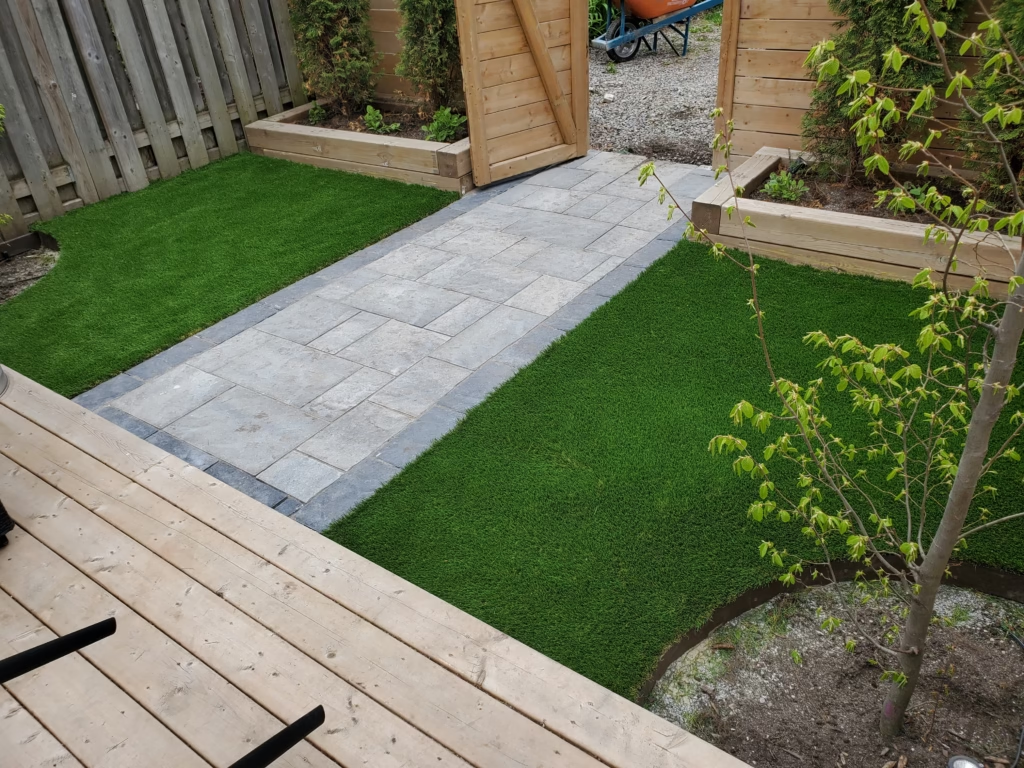
Final Thoughts on How to Install Artificial Grass
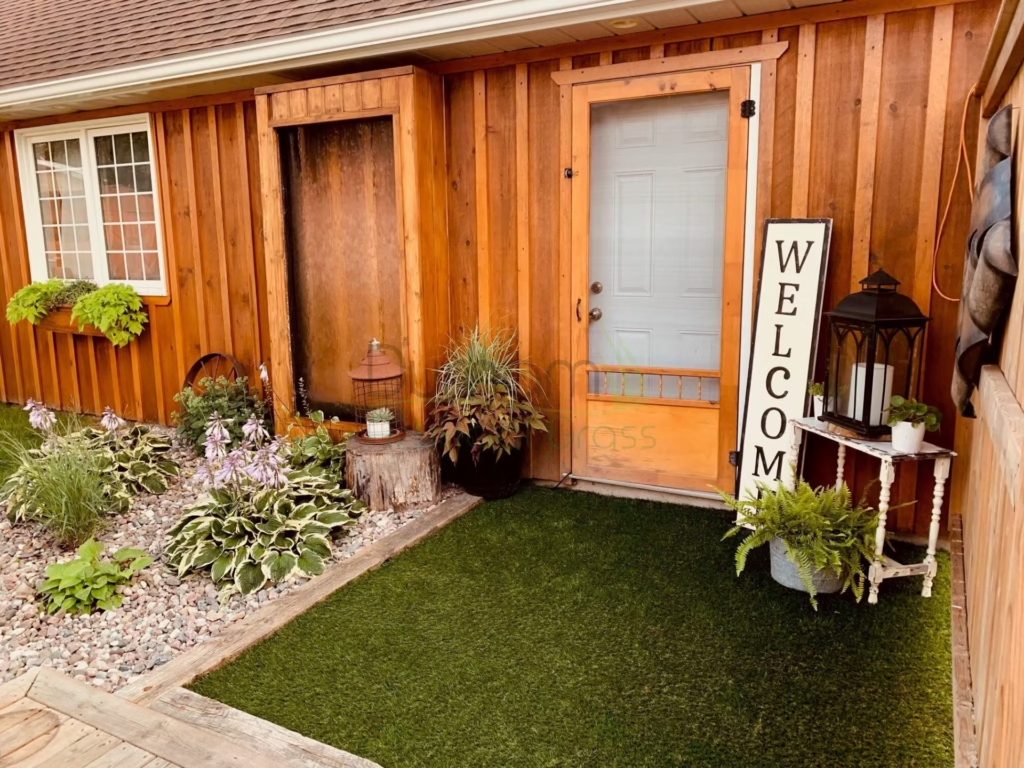
Installing artificial grass does not need to be complicated, but it does need to be done properly. From soil and dirt installations to concrete spaces and pet friendly areas, success comes down to solid preparation, proper drainage, and choosing the right materials for how the space will be used. When those fundamentals are in place, artificial grass delivers a clean, durable, and low maintenance surface that performs reliably in every season.
If you are considering artificial grass, Durham Artificial Grass is here to support you at every stage. Whether you are looking for professional installation or expert guidance for a DIY project, our team can help you plan with confidence, select the right products, and achieve results you will be happy with for years to come.